Clearing Waste from Mandeville Road Flats in Northolt
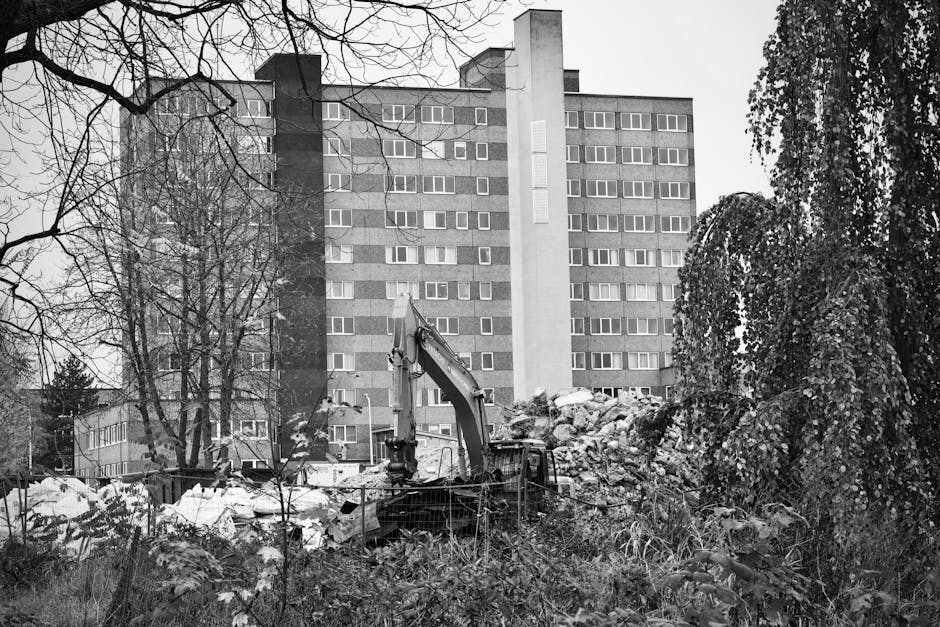
If you live in, manage, or are helping clear a flat on Mandeville Road in Northolt, the job can feel bigger than it first looks. One cupboard turns into a hallway pile, the hallway pile turns into mixed bulky waste, and suddenly you are trying to work out what can be moved, what should be recycled, and what needs careful handling. Clearing Waste from Mandeville Road Flats in Northolt is not just about getting items out of the way; it is about doing it neatly, safely, and with as little disruption as possible.
Flats bring their own complications. Shared entrances, stairwells, parking, neighbours, lift access, and time restrictions can all shape how the clearance is done. That is why a flat clearance needs a bit more thought than a quick tidy-up at home. In this guide, we will walk through how it works, what to expect, and how to make the process smoother, whether you are clearing a single room, an entire flat, or a property between tenancies.
Truth be told, most people do not need drama when they are clearing waste. They need a plan that works.
Whether you are dealing with old furniture, broken appliances, general household clutter, or a more awkward mix of waste, the aim is the same: clear it properly, protect the building, and leave the place ready for whatever comes next.
Before we get into the detail, here is the structure of the guide.
- Why Clearing Waste from Mandeville Road Flats in Northolt Matters
- How Clearing Waste from Mandeville Road Flats in Northolt Works
- Key Benefits and Practical Advantages
- Who This Is For and When It Makes Sense
- Step-by-Step Guidance
- Expert Tips for Better Results
- Common Mistakes to Avoid
- Tools, Resources and Recommendations
- Law, Compliance, Standards, or Best Practice
- Options, Methods, or Comparison Table
- Case Study or Real-World Example
- Practical Checklist
- Conclusion
- Frequently Asked Questions
Why Clearing Waste from Mandeville Road Flats in Northolt Matters
Waste left sitting in a flat creates more than just a messy look. In a shared block, it can affect circulation space, cause odours, attract pests, and make everyday access awkward for everyone else in the building. A stairwell with a mattress leaning against the wall or bags left near the communal bin area may only seem minor at first, but these things have a habit of becoming bigger problems by the end of the week.
There is also a practical side. Flats often have less storage than houses, which means clutter builds up faster. A small collection of unwanted items can quickly reduce usable space, especially in compact Northolt apartments where every square metre matters. Clearing waste properly gives the flat breathing room again. You notice it immediately. Doors open easier, floors are safer to walk across, and the place feels calmer. Funny how that works, really.
For landlords and letting agents, waste clearance is often part of getting a property presentable for the next tenant. For residents, it may simply be a way to reset the space after a move, a refurbishment, or a long-overdue declutter. And for family members helping with an inherited flat, the job can be emotional as well as physical. That is why a respectful, organised approach matters.
There is also a wider neighbourhood benefit. Northolt flats sit within busy residential areas where shared access has to stay clear and considerate. Good clearance habits reduce complaints, prevent avoidable blockages, and help keep the building pleasant for everyone. Nothing fancy. Just decent, sensible practice.
Expert summary: Waste clearance in flats works best when it is planned around access, segregation, safety, and the building's shared spaces. The aim is not merely removal; it is a tidy, respectful reset of the property.
How Clearing Waste from Mandeville Road Flats in Northolt Works
The process is usually straightforward once the job is properly assessed. The exact method depends on the amount and type of waste, the building layout, and whether items need dismantling before they can be moved out.
1. Assess the waste
Start by identifying what needs to go. A flat can contain everything from bagged household rubbish to old beds, wardrobes, white goods, mixed clutter, and building debris. Knowing what you have helps decide whether the waste can be lifted directly, separated for recycling, or handled as a special item.
2. Check access and restrictions
Flat clearance is often shaped by access rather than volume. Are there stairs? Is there a lift? Is parking available close to the entrance? Can a vehicle stop legally without causing trouble for neighbours? These details sound small, but they are often what make the difference between a smooth job and a frustrating one.
In our experience, a five-minute access check saves a lot of faff later.
3. Sort items into sensible groups
Waste is usually split into categories such as recyclable materials, reusable furniture, bulky items, electricals, and general rubbish. This makes disposal more efficient and, when possible, keeps recyclable material out of landfill. It also helps avoid confusion if there are items the resident wants to keep.
4. Remove items carefully
In flats, careful handling matters. Hallways can be tight, walls can mark easily, and communal areas should be left clean. Large items may need to be dismantled on site. Heavy lifting should be done with the right technique and equipment, not with a heroic shrug and a prayer. Let's face it, backs are not easily replaced.
5. Transport and dispose responsibly
Once loaded, the waste should go to appropriate disposal or recycling routes. Good practice is to separate materials where practical and ensure anything with special handling requirements is taken to the correct facility or route. That might include electrical appliances, metal, wood, textiles, or mixed waste.
6. Sweep and finish the area
A proper clearance should finish with the area left tidy. The flat should not just be emptied; it should be ready for cleaning, inspection, or the next stage of work. A quick final sweep, a check for missed items, and a look at the communal route all make a real difference.
Key Benefits and Practical Advantages
There is a reason people search for help with waste clearance rather than trying to muddle through on their own. The benefits are practical, immediate, and often more noticeable than expected.
- More space in the flat: Once bulky waste is gone, rooms feel usable again.
- Less stress: You are not left wondering what to do with awkward items or how to move them out safely.
- Better safety: Clear floors and hallways reduce trip risks, especially in narrow flats and shared entrances.
- Cleaner handovers: Landlords, tenants, and agents benefit from a more presentable property.
- More responsible disposal: Waste can be sorted and handled more appropriately than if everything is simply dumped together.
- Less disruption to neighbours: A well-managed clearance is quieter, quicker, and more respectful in a shared block.
There is a softer benefit too. A cleared flat often feels emotionally lighter. That may sound a bit sentimental, but anyone who has stared at a room full of unwanted stuff knows the feeling. Once the clutter is gone, the room can finally breathe.
If you are preparing a flat for sale, tenancy change, or renovation, that cleaner base also makes the next step easier. A painter, cleaner, or decorator can work properly when the floor is not cluttered with old furniture and mystery boxes from three moves ago.
Who This Is For and When It Makes Sense
Flat waste clearance on Mandeville Road is useful for a wide range of people. Some need a one-off clear-out; others need support after a bigger life change. Either way, it tends to make sense when the waste is too bulky, too much, or too awkward for normal household disposal.
Typical situations include:
- tenants moving out and leaving unwanted furniture or general waste behind
- landlords preparing a flat for new occupants
- family members clearing a relative's home
- owners getting ready for renovation or decorating
- people reducing clutter after years of storage build-up
- managing a flat after a long vacancy
- resolving waste left in communal or shared areas
It also makes sense if the waste includes items that are difficult to carry through stairs or corridors. A broken wardrobe, a sagging sofa, a mattress, or a stack of mixed bags can be manageable individually, but together they become a proper logistical problem. Not impossible. Just annoying.
If you are deciding whether you need a full clearance or just a partial one, ask yourself a simple question: is the issue one room, one corner, or the whole flat? That answer usually points you in the right direction.
Step-by-Step Guidance
If you want the process to run smoothly, a bit of planning goes a long way. Here is a practical step-by-step approach for clearing waste from a flat in Northolt.
- Walk through the flat first. Check every room, storage cupboard, balcony, and hallway. Waste often hides in places people forget.
- Separate keep, donate, recycle, and remove. This is the stage where decisions matter most. Be honest with yourself. If you have not used it in years and it is cracked, stained, or missing parts, it probably does not need to stay.
- Measure large items if access is tight. Stairwells and door frames can be unforgiving. Measuring first avoids damage and saves time.
- Protect shared areas. Use care around walls, lifts, and landings. In blocks, the journey out matters just as much as the flat itself.
- Prepare bulky items for moving. Empty drawers, remove loose parts, and dismantle large furniture where practical.
- Load in an organised order. Heavier items should be handled properly, with lighter and recyclable items grouped where possible.
- Check the flat and route once more. This sounds obvious, but you would be surprised how often one small bag gets left behind in a cupboard.
- Finish with a sweep and final walk-through. Make sure nothing sharp, loose, or awkward remains.
A quick real-world example: a two-bedroom flat might look manageable until you realise the wardrobe cannot pass the hallway bend without being dismantled. That is normal. The fix is not panic; it is preparation.
Expert Tips for Better Results
There are a few habits that consistently make flat waste clearance easier, cleaner, and less stressful. None of them are dramatic, but they save time and trouble.
- Start with the biggest obstacles first. Old furniture and heavy items shape the rest of the job.
- Keep a clear path to the exit. In a flat, even one blocked doorway can slow everything down.
- Label items you want to keep. It sounds basic, yet miscommunication is one of the easiest ways to lose time.
- Use bags and boxes consistently. Mixed loose waste is harder to move and more likely to spill.
- Think about noise and timing. A quiet, respectful clearance is always better in a shared block.
- Be realistic about lifting. If something is too heavy or unstable, treat it as such instead of forcing it.
Another useful tip: do not leave sorting until the end. If you separate items as you go, the final stage feels much less chaotic. That is especially true when a flat contains a mix of old clothes, broken household goods, and a couple of bulky items that nobody quite knows how to classify. Classic.
And if there is any doubt about an item's disposal route, pause and check rather than guessing. A little caution can spare a lot of unnecessary hassle later.
Common Mistakes to Avoid
Most clearance problems come from a handful of avoidable mistakes. They are familiar ones, especially when people are under time pressure.
Leaving everything until moving day
This is the big one. If the flat is packed with waste and the deadline is close, the job suddenly becomes ten times more stressful. A bit of early sorting gives you breathing space.
Ignoring shared access
In a block of flats, communal hallways, stairs, and entrances are part of the job. If they are not protected and respected, the clearance can create complaints or damage.
Underestimating bulky items
That armchair may seem harmless until you try to turn it through a narrow landing. Measure, plan, dismantle where needed. Simple advice, but it matters.
Mixing reusable and disposable items
Some things may still have value or be suitable for reuse, while others are genuinely waste. Mixing them all together can make the job slower and less efficient.
Forgetting the final check
People often focus on removal and forget the last sweep. That is how one small bag, charger, or drawer full of bits gets left behind.
Trying to do too much alone
To be fair, a small declutter is one thing. But if you are dealing with bulky furniture, stairs, or a full flat clearance, getting proper help is usually the sensible move.
Tools, Resources and Recommendations
The right tools can make waste clearance much smoother, especially in a flat where space is limited and every movement counts.
| Tool or Resource | Why It Helps | Best Used For |
|---|---|---|
| Heavy-duty gloves | Protects hands from sharp edges, dirt, and rough surfaces | General waste handling and mixed items |
| Strong rubble sacks or waste bags | Helps contain loose waste securely | Light to medium waste loads |
| Dolly or sack truck | Reduces strain when moving heavier items | Bulky or awkward objects |
| Blankets or protective covers | Helps protect walls and communal areas | Stairwells, lifts, and furniture movement |
| Basic screwdriver or tool set | Useful for dismantling furniture | Wardrobes, beds, shelving, and modular items |
| Labels or tape | Makes keep/remove decisions clearer | Sorting during a flat clearance |
If you are dealing with lots of furniture, it can be helpful to look at a specialist flat clearance service rather than trying to manage everything as a standard rubbish job. For mixed household items, a broader home clearance approach may be more suitable, especially if the flat contains a little of everything.
When the waste includes bulky furniture or items that need careful handling, a related furniture clearance or furniture disposal option can make the process more efficient. And if the job is part of a larger clear-out involving bins, bags, and mixed rubbish, a general waste removal approach may fit better.
For anyone comparing broader services, it can also help to review related options such as house clearance, loft clearance, or garage clearance if the waste extends beyond the flat itself. Different properties throw up different headaches, as you know.
Law, Compliance, Standards, or Best Practice
Waste clearance in the UK sits within a broader set of duties and good-practice expectations, even if a simple flat clearance does not always feel like a formal project. The key point is that waste should be handled responsibly, with care taken not to create risks for occupants, neighbours, or the wider environment.
In practice, that means a few sensible things. Waste should be moved safely. Hazardous or unusual items should be treated with extra caution. Shared areas should be kept clear. And disposal should follow the appropriate route for the material type. There is no need to overcomplicate that, but there is also no excuse for winging it.
Where flats are in managed blocks, building rules may also matter. Some landlords or managing agents have expectations around lift use, parking, access times, or use of communal spaces. It is worth checking those details before the clearance starts. A few minutes of coordination can prevent an awkward conversation with neighbours later.
It is also wise to think about safety and insurance. People working around heavy furniture, broken objects, or tight staircases should take obvious precautions. If you are hiring help, it is sensible to ask how they approach safety, what their process is for protecting communal areas, and how they deal with items that need special handling. Our related information on health and safety policy and insurance and safety can be useful if you want to understand the standards behind the service.
For recycling-minded readers, it is worth noting that responsible disposal is often about separation and judgement, not perfection. Not every item can be reused, and not every material can be recycled in the same way. Still, making a reasonable effort to sort waste properly is a strong baseline. If sustainability is a priority, the recycling and sustainability page offers a useful next step.
Options, Methods, or Comparison Table
Different situations call for different methods. A light declutter in a one-bedroom flat is not the same as clearing a furnished property after a move-out. Here is a simple comparison to help you think it through.
| Method | Best For | Pros | Watch Outs |
|---|---|---|---|
| DIY clearance | Small loads and a few manageable items | Low direct cost, full control | Time-consuming, physically demanding, access risks |
| Partial assisted clearance | Mixed waste with some bulky pieces | Less strain, quicker removal, more organised | Needs planning and clear item selection |
| Full flat clearance | Complete emptying or major declutter | Fastest way to reset a property | Requires good coordination and access management |
| Specialist furniture removal | Sofas, beds, wardrobes, and large items | Ideal for bulky pieces, less wall damage risk | Not always enough for mixed rubbish |
If the flat contains mostly furniture and a few misc items, a furniture-led approach may be enough. If it includes broken household goods, bagged waste, and clutter from several rooms, a more complete flat clearance usually makes more sense. That choice is often the difference between a job that finishes neatly and one that turns into repeated trips. Nobody wants that.
Case Study or Real-World Example
Here is a realistic example based on the kind of job people often face in Northolt. A resident in a two-bedroom flat on Mandeville Road was preparing to hand back the property at the end of a tenancy. Over time, the flat had accumulated an old sofa, a bed frame, several black bags of mixed waste, a broken desk chair, and a couple of small appliances that had stopped working.
At first glance, the job looked manageable. Then the access details came into focus: a narrow corridor, stairs to the exit, and a communal landing that needed to stay clear for neighbours. The solution was not brute force. It was a bit of prep. The furniture was dismantled where possible, waste was grouped before moving, and the route out was kept clear. A quick final check found a loose shelf panel tucked behind a bedroom door - one of those annoying little things that can easily be missed.
The result was not dramatic in the cinematic sense. No applause. No confetti. Just a clean flat, a tidy stairwell, and a property ready for the next stage. That is usually what good clearance looks like. Calm. Efficient. Unfussy.
What mattered most was not speed alone, but the way the job fit the building and avoided fuss for other residents. In a shared block, that is half the battle.
Practical Checklist
Use this checklist before and during a flat waste clearance in Northolt. It keeps the job organised and makes the end result much better.
- Walk through every room, cupboard, and storage area
- Separate items to keep, donate, recycle, and remove
- Measure large furniture against doors, stairs, and corridors
- Check building access, parking, and any block rules
- Protect walls, floors, and shared areas where needed
- Empty drawers and remove loose contents from bulky items
- Group waste into sensible categories
- Keep exits and hallways clear during removal
- Do a final sweep of the flat and route out
- Make sure no personal documents or valuables are left behind
If you only remember one thing from this list, make it the final sweep. It saves embarrassment and, more importantly, saves time later.
Conclusion
Clearing Waste from Mandeville Road Flats in Northolt is really about bringing order back to a space that has become difficult to manage. When done well, it creates room, reduces stress, and helps the property move cleanly into its next phase. Whether the job is a simple rubbish removal, a full flat clearance, or a mixed furniture and household waste project, the same principles apply: plan the access, sort the items, protect the building, and dispose of everything responsibly.
The good news is that once you understand the steps, the process becomes far less intimidating. A cluttered flat is just a problem that needs a sensible sequence. One step at a time, and no heroics needed.
If you are weighing up the next move, start with the scale of the waste, the access in the building, and how quickly you need the flat cleared. That will point you toward the right approach far more reliably than guesswork.
Get a free quote today and see how much you can save.
And if you are planning ahead, take your time with the decisions. A well-cleared flat has a quiet kind of relief about it. You feel it when you walk back in.
Frequently Asked Questions
What does clearing waste from a flat actually include?
It usually includes the removal of unwanted household items, bulky furniture, bagged rubbish, old appliances, and mixed clutter from inside the flat. Depending on the job, it may also include tidying the route out and sweeping the area once the waste is gone.
Is flat clearance different from general waste removal?
Yes, usually. Flat clearance has more focus on access, shared spaces, stairwells, lifts, and protecting the building. General waste removal can be broader and may suit smaller loads or less complex access.
How do I know if I need a full flat clearance?
If most rooms contain unwanted items, or if you are preparing the flat for sale, tenancy change, or renovation, a full clearance often makes sense. If it is only one room or a few bulky pieces, a partial clearance may be enough.
Can bulky furniture be removed from flats with stairs?
Yes, but it needs careful planning. Large pieces may need to be dismantled first, and the route out should be checked so walls, doors, and communal areas are not damaged.
What should I do before a waste clearance visit?
Separate what you want to keep from what needs removing, check access details, clear hallways where possible, and point out any items that need special attention. A quick preparation pass makes the job much smoother.
What happens to the waste after it is collected?
It should be taken to suitable disposal or recycling routes depending on the material type. Reusable or recyclable items may be separated where practical, while general waste goes to the appropriate facility.
Are there any items that need extra care?
Yes. Electrical items, sharp objects, heavy furniture, and anything damaged or unstable need careful handling. If you are unsure about a particular item, it is better to flag it early rather than leave it to guesswork.
How long does a flat clearance usually take?
It depends on the amount of waste, the size of the flat, and the access. A small declutter can be relatively quick, while a full flat clearance with bulky items and stairs will naturally take longer.
Can I leave waste in the communal area temporarily?
It is best not to unless the building rules clearly allow it. Shared areas need to remain clear, and leaving waste there can create safety issues or complaints from neighbours.
What is the best way to reduce clearance costs?
Sort items before the clearance starts, separate anything reusable, and make access as easy as possible. Fewer surprises usually means a smoother and more efficient job overall.
Should I choose furniture clearance or flat clearance?
If the job is mainly sofas, beds, wardrobes, or similar large items, furniture clearance may be enough. If the flat also contains mixed waste, clutter, and smaller items from several rooms, flat clearance is usually the better fit.
What if I only have a few bags of waste?
A small amount of waste may not need a full clearance service. In that case, a simpler removal option may be enough. The right choice depends on volume, access, and how much time you want to spend handling it yourself.
Sometimes the smallest-looking job is the one that benefits most from a proper plan. That is just how flat clearances go.