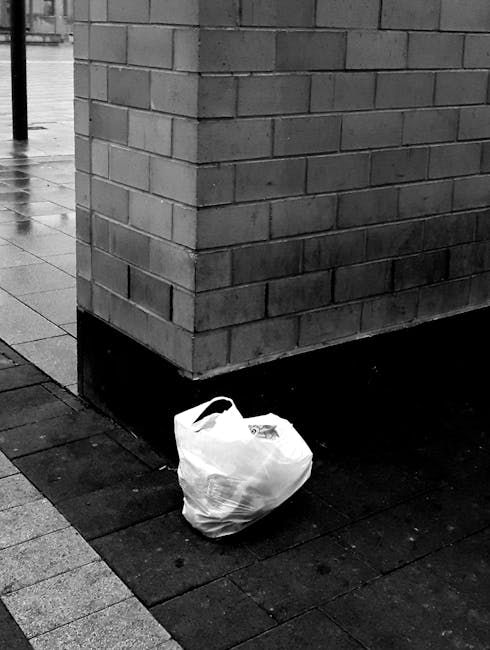
Northolt Station: Quick Waste Pickup After Commuter Clearouts
After the rush hour crowds thin out around Northolt Station, the last thing anyone wants is leftover clutter hanging around on pavements, in shared hallways, or beside a block entrance. Bags of unwanted items, old furniture, broken office chairs, and "I'll deal with it later" piles can quickly become a problem. That is where Northolt Station: quick waste pickup after commuter clearouts becomes useful: a fast, organised way to remove post-commute waste without disrupting the area, neighbours, or business flow.
If you manage a flat, a small office, a rental property, or a commuter-facing premises near the station, you already know the pattern. People clear out in a hurry before work, after work, or between tenancy handovers. Waste builds up fast. This article explains how a quick pickup works, who it helps, what to expect, and how to avoid the usual mistakes that slow everything down.
For broader help with local clearances, you can also explore waste removal in Northolt, office clearance services, and practical support such as flat clearance, furniture disposal, and house clearance.
Expert summary: The fastest waste pickups are not just about speed. They work best when access, sorting, loading, and disposal are planned properly before the team arrives. That is what keeps a "quick clearout" genuinely quick.
Table of Contents
- Why Northolt Station: Quick Waste Pickup After Commuter Clearouts Matters
- How Northolt Station: Quick Waste Pickup After Commuter Clearouts Works
- Key Benefits and Practical Advantages
- Who This Is For and When It Makes Sense
- Step-by-Step Guidance
- Expert Tips for Better Results
- Common Mistakes to Avoid
- Tools, Resources and Recommendations
- Law, Compliance, Standards, or Best Practice
- Options, Methods, or Comparison Table
- Case Study or Real-World Example
- Practical Checklist
- Conclusion
- Frequently Asked Questions
Why Northolt Station: Quick Waste Pickup After Commuter Clearouts Matters
Northolt Station is a busy commuter point, which means waste problems can escalate quickly when people are moving items in and out on tight schedules. A few abandoned bags, a dismantled desk, or a pile of packaging can create an immediate issue for foot traffic, residents, and nearby businesses.
In practical terms, speed matters because the station environment has a constant flow of people. Even a small amount of waste can make entrances look untidy, affect access, and create a poor first impression. For landlords and managing agents, that is more than cosmetic. It can also affect how safe and manageable the space feels.
Commuter clearouts often happen under pressure. Someone has a train to catch, a landlord wants the property reset by midday, or an office team is clearing old stock before opening hours. That urgency is exactly why a structured pickup service is useful. It reduces friction and gets the area back to normal before the mess becomes everyone else's problem.
There is also a trust element here. A well-run pickup shows that the waste is being handled in an organised way, not dumped in a hurry. That matters for both businesses and households. It is also one reason many customers prefer a service that can handle mixed items responsibly, rather than trying to cobble together their own trip to the tip after work.
If you are comparing service types, it helps to look at the wider support available on pages like recycling and sustainability, health and safety policy, and insurance and safety. Those pages are useful for understanding how reputable operators usually think about disposal, safety, and risk.
How Northolt Station: Quick Waste Pickup After Commuter Clearouts Works
A quick waste pickup usually follows a simple pattern: you identify the waste, confirm access, set a collection time, and let the crew do the lifting and loading. Sounds straightforward. In reality, the difference between a smooth pickup and a stressful one is all in the preparation.
1) The waste is identified first
Before anyone arrives, it helps to know what is being removed. Commuter clearouts often include a mix of office waste, household items, packaging, broken chairs, under-stair clutter, and bagged rubbish. A good description of the load helps the team bring the right vehicle and equipment.
2) Access is checked
Access around Northolt Station can be tight depending on the property type. A front door near a busy road, a shared stairwell, a narrow alley, or limited parking all affect the plan. If the route to the waste is awkward, the crew may need a slightly different approach to keep things efficient and safe.
3) The pickup window is agreed
For commuter clearouts, timing is often the main challenge. Pickups may need to happen before the morning rush, just after the school run, or during a narrow lunch break. A reliable service will work to a realistic window rather than promising something impossible. That may sound obvious, but let's face it, punctuality is half the battle.
4) Items are removed, loaded, and sorted
Once on site, the team loads items quickly and separates material where possible. Good operators do not treat everything as generic rubbish. Reusable or recyclable material should be handled sensibly, and that usually starts with sorting on site or at the point of transfer.
5) The area is left clear
The final part matters just as much as the pickup itself. A clean landing, a clear pavement edge, and a swept exit route show that the job was handled properly. If there are extra fragments, wrapping, or loose packaging, those should not be left behind for someone else to deal with.
For larger or more mixed jobs, the process can overlap with services such as home clearance, furniture clearance, or even builders waste clearance when renovation debris is part of the load.
Key Benefits and Practical Advantages
The main benefit is obvious: the waste disappears fast. But the real value goes beyond speed.
- Less disruption: Commuter areas need clear walkways and minimal downtime.
- Faster reset: Flats, offices, and shared spaces can be put back into use sooner.
- Lower stress: You do not need to make multiple trips or coordinate heavy lifting yourself.
- Cleaner presentation: A tidy entrance or frontage helps properties look cared for.
- Better sorting: Mixed waste can be separated more responsibly than it often is in ad hoc DIY clearouts.
- Reduced manual handling risk: Heavy or awkward items are removed by people used to moving them safely.
There is another advantage people sometimes overlook: a faster pickup can prevent a small mess turning into a bigger one. In a station area, stray packaging and loose items can quickly spread in wind or rain. If a pile is left for days, the job becomes less about removal and more about recovery. Nobody wants that.
For businesses, especially, a swift removal can protect the customer experience. If you are closing, reopening, or simply refreshing a workspace, business waste removal and office clearance can be the difference between a clean handover and a messy delay.
Who This Is For and When It Makes Sense
This kind of pickup is a strong fit for people who need waste gone quickly without turning the day upside down. Typical users include:
- Commuters clearing out a flat or shared house: Especially when they are leaving early or handing keys back on a deadline.
- Landlords and letting agents: Ideal after tenant move-outs where furniture, bags, or mixed junk has been left behind.
- Local office managers: Useful when desks, chairs, or old equipment need removing after a layout change or downsizing.
- Shop and premises operators: Handy for back-room clutter, packaging waste, or display items that need to go quickly.
- Property managers: Helpful when a common area, storage space, or entrance needs a fast tidy-up.
It also makes sense when the waste is not huge enough to justify a major project, but too awkward or bulky to handle alone. A few bags might be manageable. A broken wardrobe, a heavy table, a printer, and twelve mixed sacks usually are not.
If the load is mostly furniture, look at furniture disposal. If it is a whole property refresh, house clearance or flat clearance may be more suitable. The right service depends on the type and volume of items, not just the postcode.
Step-by-Step Guidance
If you want the pickup to feel easy rather than frantic, follow this sequence.
- Make a simple item list. Write down the main categories: furniture, bagged rubbish, electronics, packaging, mixed waste, or bulky items.
- Separate what should stay. Mistakes happen when useful items are left in the same pile as waste. Set aside keys, paperwork, chargers, and anything personal first.
- Check access points. Note stairs, narrow hallways, parking restrictions, entry codes, or loading limitations.
- Choose a practical collection time. Pick a window that avoids peak footfall where possible.
- Ask about handling expectations. Confirm whether heavy lifting, dismantling, or bagging needs to be done beforehand.
- Prepare the site. Move small loose items into one area if possible, and keep routes clear.
- Be ready for the crew. A quick five-minute handover is often enough if the waste is properly organised.
- Check the space after removal. Make sure no small debris, screws, or packaging has been left behind.
That may sound a bit methodical, but a little structure prevents a lot of delay. In our experience, the jobs that look easiest on paper are sometimes the ones that need the most on-site clarity.
For people who are dealing with a larger clean-out, it can help to combine this with general waste removal rather than trying to split the job into several different bookings.
Expert Tips for Better Results
Small decisions make a noticeable difference in a fast-moving station-area pickup.
Be realistic about volume
If you think a load is "about a van's worth," say so. If it is more like half a van with one awkward wardrobe, say that too. Accuracy helps with timing and pricing, and it avoids the awkward moment when everyone realises the estimate was wildly optimistic.
Group items by type where possible
Bagged waste in one place, furniture in another, and electronics in a third is far easier to remove. Even loose sorting helps. It saves time and reduces the chance of fragile items getting crushed or contaminated.
Think about what can be reused
Not everything needs to be treated as disposable. Some furniture or office equipment may still have life left in it. A reputable company will usually prefer responsible reuse or recycling routes where feasible. That is one reason it is worth reviewing recycling and sustainability practices before booking.
Keep the route clear
A narrow staircase with boxes, shoes, a plant, and a bike wheel is not ideal. Clear the path so the crew can work safely and quickly.
Make one person the point of contact
Too many cooks, as the old saying goes, can slow a simple pickup. One contact point avoids confusion about what is being taken, what is staying, and where access is.
Common Mistakes to Avoid
Most delays in quick pickups come from avoidable errors, not from the waste itself.
- Leaving everything until the last minute: A rushed sort leads to missed items and slower loading.
- Underestimating bulky waste: One sofa can change the whole plan, especially if it has to come down stairs.
- Blocking access: Vans, bins, bikes, or storage items in the path waste time.
- Mixing confidential material with general waste: Office clearouts should be checked carefully for paperwork or data-bearing items.
- Assuming all waste is handled the same way: Some materials need special handling, and not every item belongs in the same stream.
- Forgetting shared-area rules: Flats and managed buildings may have noise, access, or loading considerations.
One common oversight is ignoring the "small stuff." Loose fixings, cords, drawer contents, and broken fittings often take longer to clean up than the headline item itself. A five-minute sweep before the team arrives can save twenty minutes later.
If the job is more sensitive, such as a business site or a shared residential building, it is worth checking the provider's health and safety approach and terms and conditions so expectations are clear.
Tools, Resources and Recommendations
You do not need specialist equipment for every pickup, but a few practical tools make the job easier.
- Strong refuse sacks: Useful for lighter mixed waste and packaging.
- Permanent marker: Handy for labelling keep, donate, recycle, and remove piles.
- Trolley or sack truck: Not essential for every job, but helpful for heavier items.
- Gloves and sturdy footwear: Basic protection for anyone helping with sorting.
- Measuring tape: Useful if you need to estimate whether a bulky item will fit through a corridor or doorway.
- Phone photos: Very helpful when requesting a quote or confirming access issues.
For people who want a smoother booking experience, the most useful resources are not physical tools but clear information. Photos, approximate volumes, access notes, and timing constraints help more than a lengthy explanation that still leaves out the awkward sofa in the corner.
Before booking, you may also want to review pricing and quotes, payment and security, and the company's about us page so you know who you are dealing with and how the service is presented.
Law, Compliance, Standards, or Best Practice
Waste pickup in the UK should be handled with care and in line with relevant legal and environmental expectations. You do not need to know every detail yourself, but you should expect a professional service to dispose of waste responsibly, avoid fly-tipping, and handle regulated materials appropriately.
Best practice usually includes:
- Clear identification of the waste type before collection.
- Safe manual handling for heavy or awkward items.
- Responsible disposal routes for recyclable and reusable materials where practical.
- Careful handling of confidential or sensitive items in office clearouts.
- Appropriate insurance and safety procedures for work on-site.
For business-related pickups, there is often an extra expectation of professionalism. That means punctuality, minimal disruption, and respect for shared premises. If a provider has clear policy pages for insurance and safety and modern slavery statement, it gives you a better sense of the standards behind the service.
If you are dealing with hazardous or unusual items, do not guess. Ask first. A proper waste company will tell you whether the material can be taken, how it should be separated, and whether a specialist route is needed.
Options, Methods, or Comparison Table
Not every clearout needs the same solution. Here is a practical comparison of the most common options.
| Method | Best for | Strengths | Trade-offs |
|---|---|---|---|
| DIY tip run | Very small loads | Can be cheap if you already have transport | Time-consuming, physical effort, parking and loading hassle |
| Man-and-van pickup | Mixed household or office waste | Fast, flexible, handles lifting for you | Needs accurate volume estimate |
| Full clearance service | Larger properties or heavier clearouts | Best for whole-room or whole-property jobs | May be more than you need for a small load |
| Specialist item removal | Bulky furniture or specific items | Efficient for single large pieces | Not ideal if the waste is mixed |
For most commuter clearouts near Northolt Station, a flexible pickup service is the sweet spot. It is quick enough to fit a tight schedule, but broad enough to handle the usual combination of bags, furniture, and odd leftovers.
If the clearout involves a lot of furniture, it is worth comparing with furniture clearance. If it includes a larger domestic reset, home clearance may be more efficient.
Case Study or Real-World Example
Consider a typical weekday scenario. A tenant near Northolt Station is moving out after a commuting-heavy week and has only a narrow window before the inventory inspection. The flat contains two bin bags of mixed rubbish, a broken office chair, a small table, packaging from a recent online furniture delivery, and a few loose items in the hallway.
The main problem is not volume. It is timing. The hallway is shared, parking is limited, and the tenant needs the flat cleared without delaying the inspection. By grouping the waste into one area, taking photos in advance, and booking a quick pickup, the removal can be handled in a short visit rather than stretched into several stressful trips.
What made the difference? Preparation. The items were easy to identify, the access route was clear, and nothing personal was left mixed into the pile. The result was a clean reset, a calmer handover, and one less thing to sort out on moving day.
That sort of outcome is exactly why fast pickup services work so well in commuter areas. They fit the real pace of the day. Nobody wants to spend an evening wrestling a sofa through a stairwell after a packed journey home.
Practical Checklist
Use this checklist before collection day:
- Have I separated items I want to keep?
- Are bulky items easy to reach?
- Have I checked stairs, lifts, and parking access?
- Have I identified anything fragile, confidential, or restricted?
- Are all bags tied and ready to move?
- Have I noted any items that may need special handling?
- Is there a single contact person on the day?
- Have I confirmed the preferred pickup window?
- Do I know whether I need a quick pickup or a larger clearance?
- Have I taken a few photos in case I need to explain the load clearly?
This checklist is simple on purpose. If you get these basics right, the rest of the process usually feels much more straightforward.
Conclusion
Northolt Station waste pickup after commuter clearouts is really about making a busy area easier to live and work in. When waste is removed quickly, safely, and with proper planning, the whole space feels calmer. Flats reset faster. Offices recover faster. Shared entrances stay usable. And everyone avoids that awkward situation where a small pile quietly becomes a bigger problem.
The best approach is straightforward: know what needs removing, prepare the access, choose the right type of service, and work with a provider that takes disposal, safety, and recycling seriously. A quick pickup should feel organised, not chaotic. That is the standard worth aiming for.
Get a free quote today and see how much you can save.
If you are ready to take the next step, start with a clear description of your items and contact the team through the Northolt contact page. You can also review the service terms or explore the about us page for more background before booking.
Frequently Asked Questions
What counts as a commuter clearout near Northolt Station?
It usually means a quick removal of unwanted items linked to commuting routines, move-outs, office changes, or shared-space clutter around the station area. The loads are often mixed and time-sensitive.
How fast can a waste pickup usually happen?
That depends on access, item type, and schedule, but the whole point of a quick pickup is to fit around busy travel times. The better prepared the site, the faster the job usually goes.
Can you remove furniture as part of the pickup?
Yes, in many cases. Chairs, desks, tables, shelving, and similar items are commonly taken during a fast pickup, especially when they are part of a clearout rather than a single-item job.
What if the waste includes both household and office items?
That is very common. A mixed pickup can still work well if the items are described clearly in advance so the team knows what to expect and how to plan the load.
Do I need to move the waste outside first?
Not always. Many services can collect items from inside a property, though access, staircase width, parking, and building rules may affect the exact setup.
Is quick waste pickup suitable for rental flat clearouts?
Yes. It is often ideal for end-of-tenancy situations where time is short and the property needs to be left tidy for inspection or new occupants.
How do I avoid delays on the day?
Sort items in advance, keep access clear, provide accurate item details, and make sure one person is available to answer questions when the crew arrives.
Can recyclable items be separated during collection?
Often, yes. Reputable providers usually try to separate reusable or recyclable materials where practical, though the exact approach depends on the waste type and condition of the items.
What should I do with confidential paperwork?
Do not leave it mixed in with general waste. Set it aside and arrange secure handling separately, especially if you are clearing an office or home office.
Is this the same as a full house clearance?
Not necessarily. A quick pickup is often smaller and faster, while a full house clearance is better for larger or more comprehensive jobs. The right choice depends on volume and urgency.
How should I prepare a small office close to the station?
Group desks, chairs, packaging, and small items together, note any access restrictions, and check whether you also need office clearance support or more general business waste removal.
What if I am not sure whether the load is too small or too large?
Take a few photos and describe the main items. That is usually enough for a provider to suggest whether a small pickup, a larger clearance, or a different approach makes the most sense.
Are there safety issues with lifting and carrying waste myself?
Yes. Heavy furniture, sharp edges, awkward staircases, and hidden weight inside bags can all create risk. If in doubt, it is safer to have trained people handle the lifting.
Where can I find more information before booking?
Useful starting points include pricing and quotes, recycling and sustainability, and contact us for direct help with your situation.